
A creative, youth led approach to
tackling youth mental health
Current situation
Brighton and Hove is facing a growing mental health crisis. Around 7,000 young people aged 2-19 are estimated to be experiencing mental health conditions.
For Young Females aged 17-19, this rises to 1 in 4.
Most mental health problems begin early in life. Three quarters start before the age of 24, often continuing into adulthood and affecting long-term health, opportunities, and wellbeing.
Yet research by the LSE and YoungMinds shows that only 25% of young females with mental health difficulties receive treatment.
Even when support is available, many young people do not engage or drop out. Some find it hard to talk about their mental health, preferring informal support. Or they struggle to connect with professionals who do not share their experiences.
This reflects our own findings. 31% of the Young Females we spoke to said there is not enough support available to meet their needs.
OUr approach
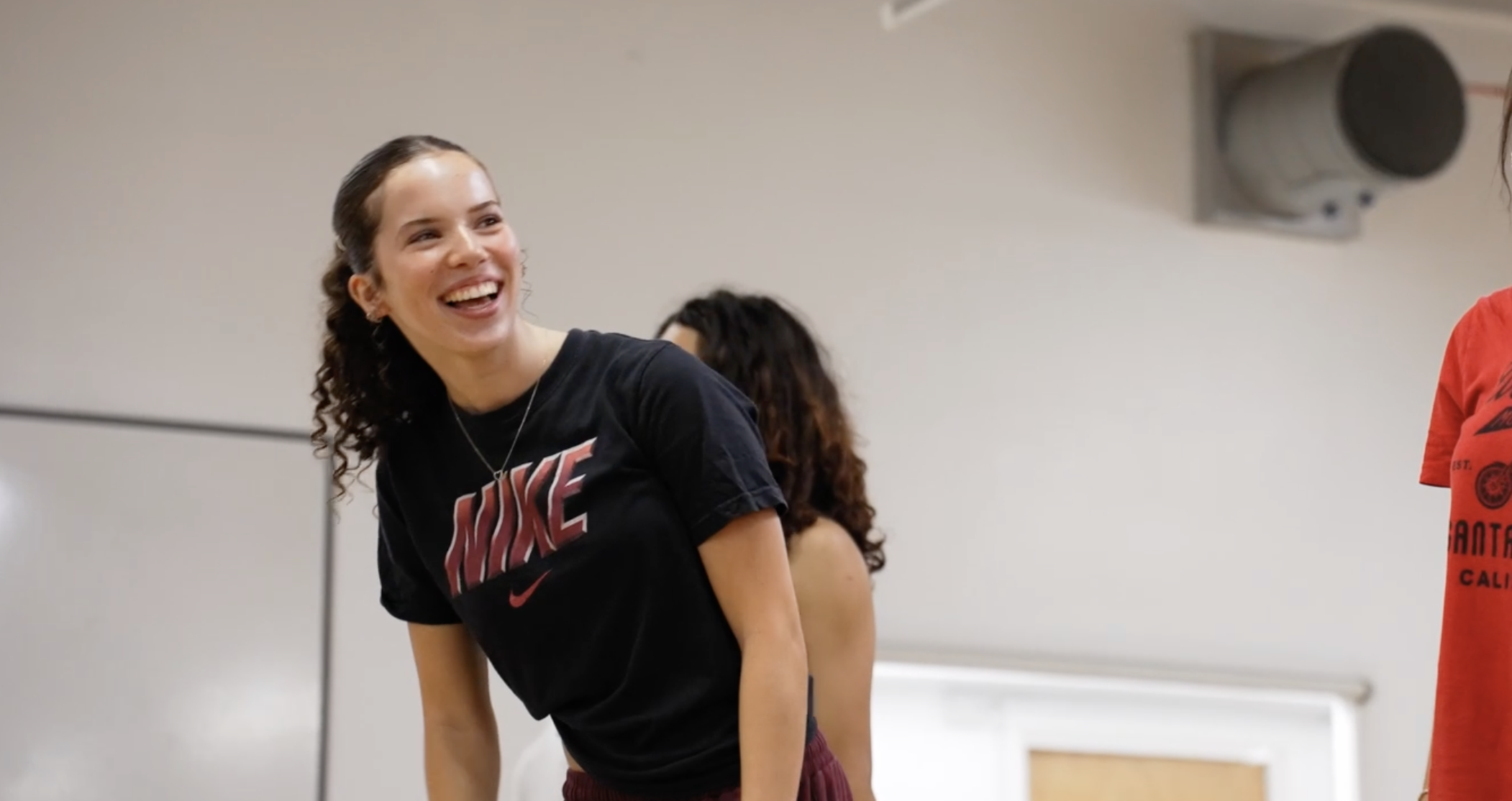
Project Female uses dance and creative movement to support the mental health and wellbeing of Young Females. We focus on Young Females aged 4–19 in the Greater Brighton area, especially those who face barriers to opportunity, education, or support.
Many of the Young Females we work with experience different forms of disadvantage. This can include poverty, disability, or coming from minority ethnic backgrounds. These challenges can make it harder for them to access services, feel heard, or take part in traditional youth activities.
Project Female creates safe and welcoming spaces where young people can express themselves, build confidence, and feel part of a supportive community.
Dance is a tool to help young people connect with themselves and others. Through movement and creative activities, participants can express their feelings, develop new skills, and build positive relationships.
Creative spaces like these can be especially helpful for Young Females who find it difficult to talk about their mental health or who feel uncomfortable in formal support settings.
What Sets Us Apart
Meeting Young Females where they are
Weekly dance workshops in neighbourhoods with higher levels of poverty and health inequality. Sessions are inclusive and accessible, with activities adapted so that young people with different needs and abilities can take part.
Providing mental health
first aid
All our teachers are trained in mental health first aid. We have a Wellbeing Officer available for pastoral care and make supported referrals. We are developing trauma informed training, specifically for Young Females in dance settings.
Embedding dance techniques to support mental health
We use dance to develop positive habits around mental health, giving them language to express themselves. Dance provides a toolkit of positive techniques to help Young Females stay regulated.
Sustained Support for Lasting Wellbeing
We provide support for Young Females to build consistent relationships with adults over a long time frame. This overcomes the issues we see in shorter term interventions offered via schools and NHS providers.
Creating safe spaces through co-creation
Young Females are invited to co-create dance and social action projects which speak to them. As they feel more comfortable expressing their ideas in the creative process they begin to feel safe to talk about their personal experiences.

Our impact
In the last 3 years we have supported 1075 young females to:
350 mental health check ins delivered
75 mental health first aid delivered
25 safeguarding interactions
61 % learned how to recognise how their mental health shows up in their bodies
52 % learned how to positively manage their mental health
92 % report greater mental health and wellbeing
Improve their physical and mental health
94% feel better able to communicate
73% have grown in confidence during their time at Project Female
68% have grown in agency during their time at Project Female
88% report greater confidence and agency in settings outside of Project Female
Grow in confidence and capabilities
350 Young Femailes took part in social action projects
25 participants developed key skills for community organising.
Gain skills to affect social change