dance community
A space to belong. A community to grow.
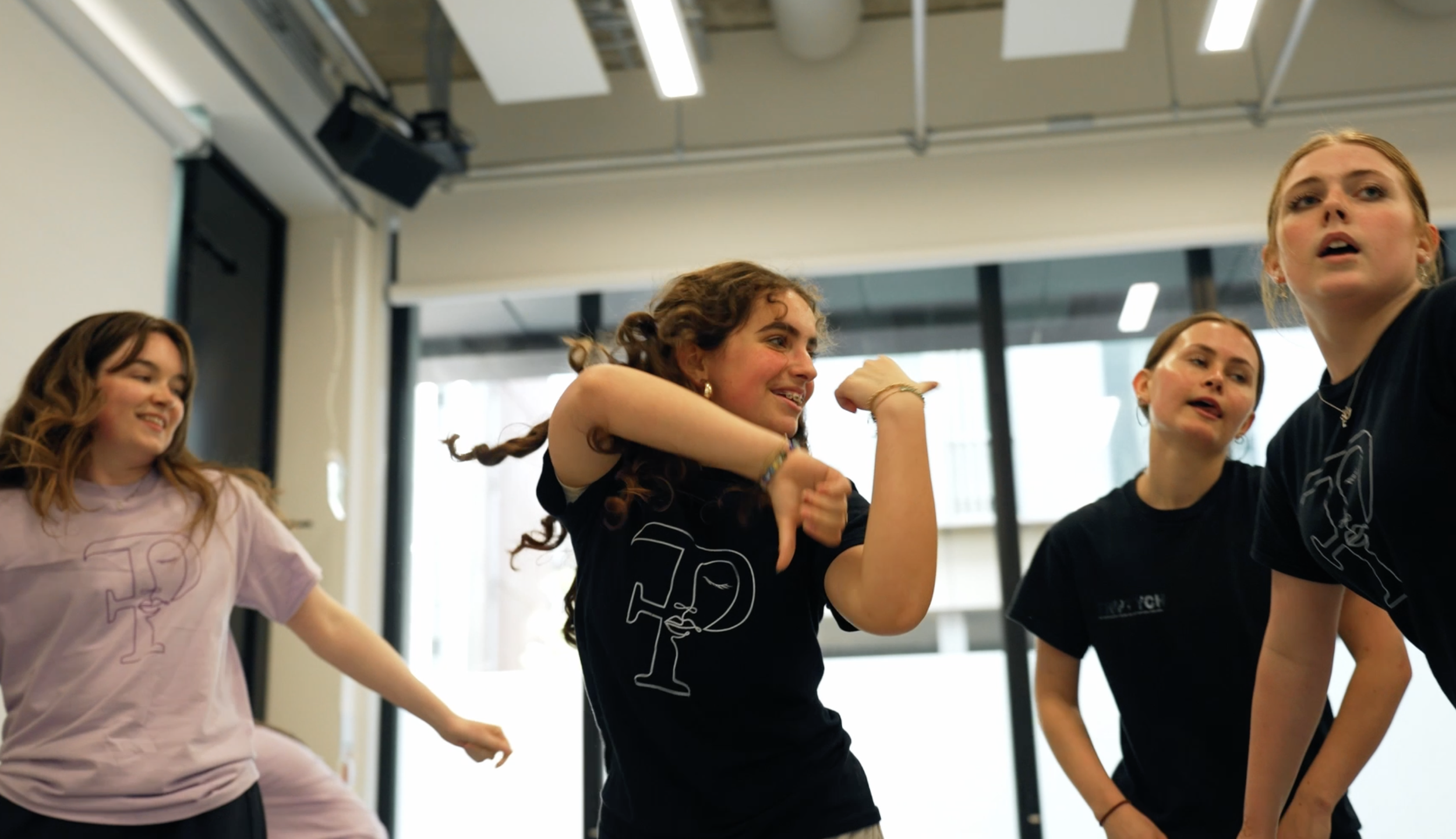
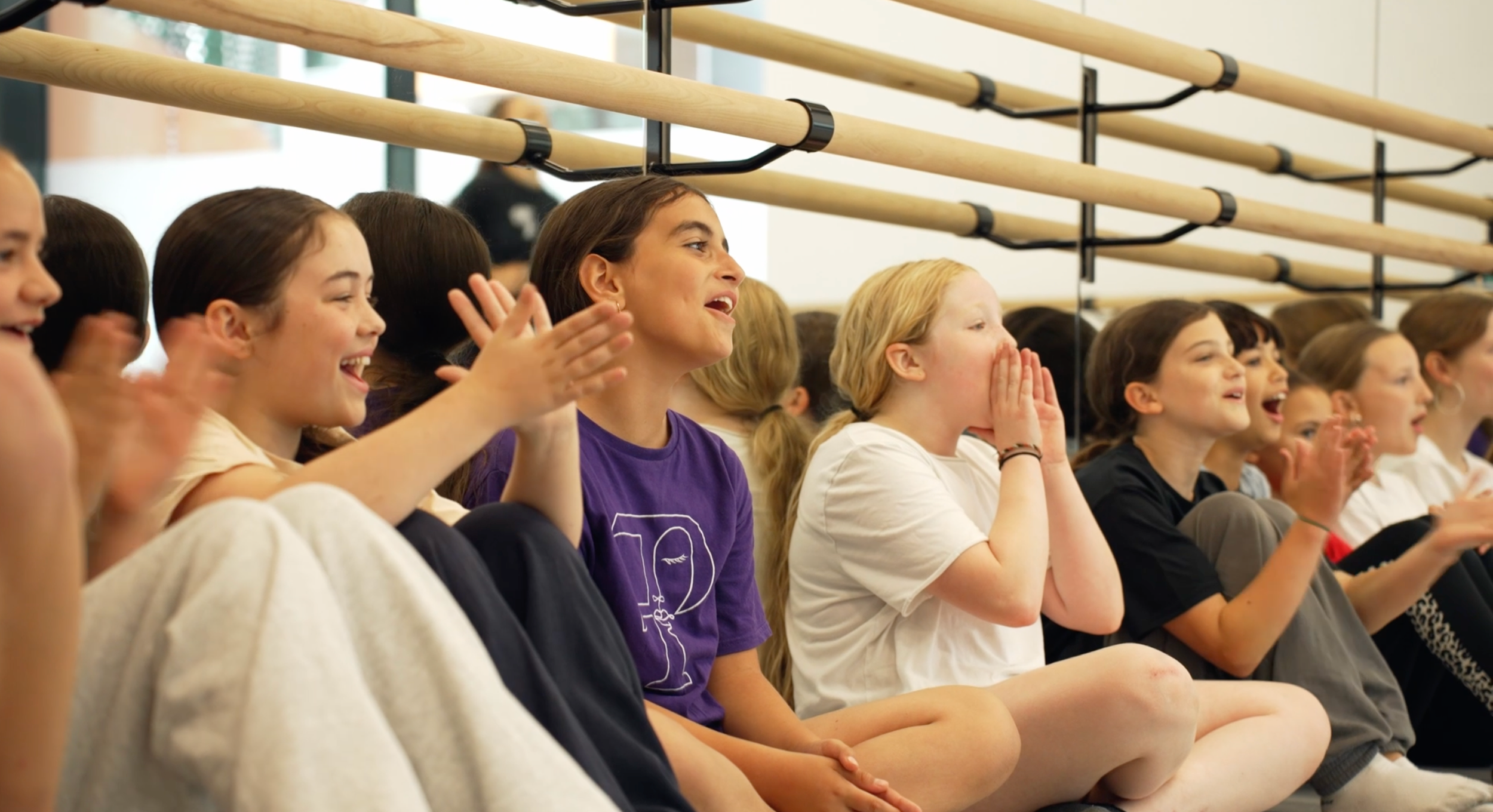
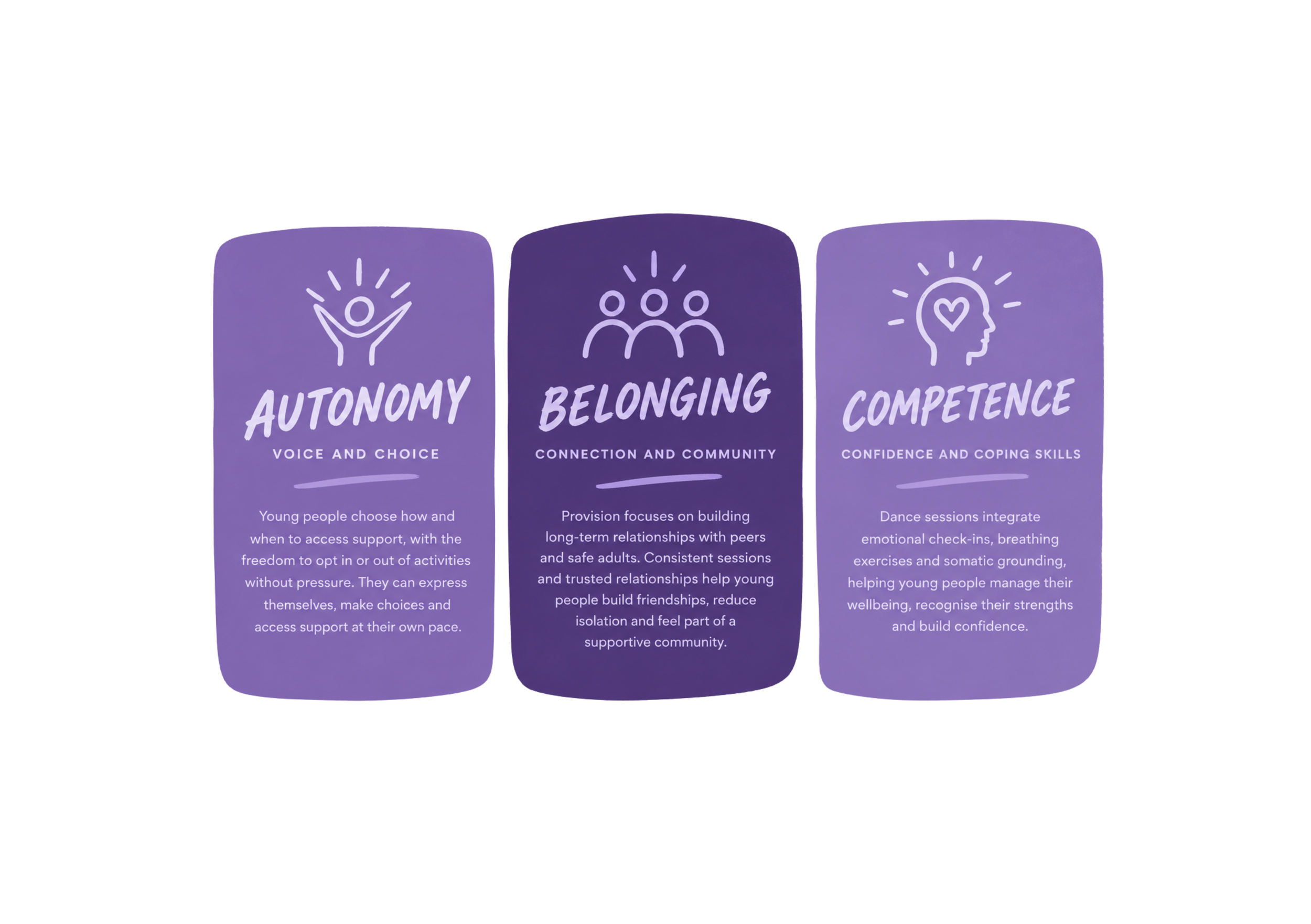
Project Female uses dance and community connection to support the physical and mental wellbeing of young females across Brighton & Hove. We provide safe, inclusive and consistent spaces for young females to move, express themselves and build meaningful relationships, including those who face barriers to accessing traditional mental health services.
We recognise that wellbeing is about more than managing difficulties; it is also about feeling connected, developing confidence and having the tools to navigate life’s challenges.
Through dance, trusted relationships and informal mental health support, young people can explore their emotions, develop coping strategies and build a stronger sense of self at their own pace. Our approach prioritises long-term connection over short-term intervention, ensuring young females have a supportive community they can return to whenever they need it.
What we deliver
Our community dance provision combines accessible participation, personal development and opportunities to progress.
Weekly dance classes:
12 sessions each week across Brighton & Hove, with mental health check-ins and emotional literacy integrated into every class.
Home Education and NEET classes:
A pilot programme delivered during school hours, supporting young people who may experience social isolation or barriers to participation.
Commercial and Street Dance Companies:
Nine companies — six commercial and three street dance — offering higher-level training alongside dedicated pastoral support.
Performers of the Future:
Project Female organises an annual youth dance platform at Brighton Dome’s Corn Exchange, celebrating young talent and connecting youth dance groups across the region.
Our impact
Our approach has been co-created with young females and featured in a research project with the University of Sussex and Brighton and Sussex Medical School. The research explored how mental health support could better reach young females in areas of high socioeconomic deprivation who are underserved by traditional services. Learning from this work feeds into NHS networks, contributing to wider conversations about more accessible approaches to youth mental health.
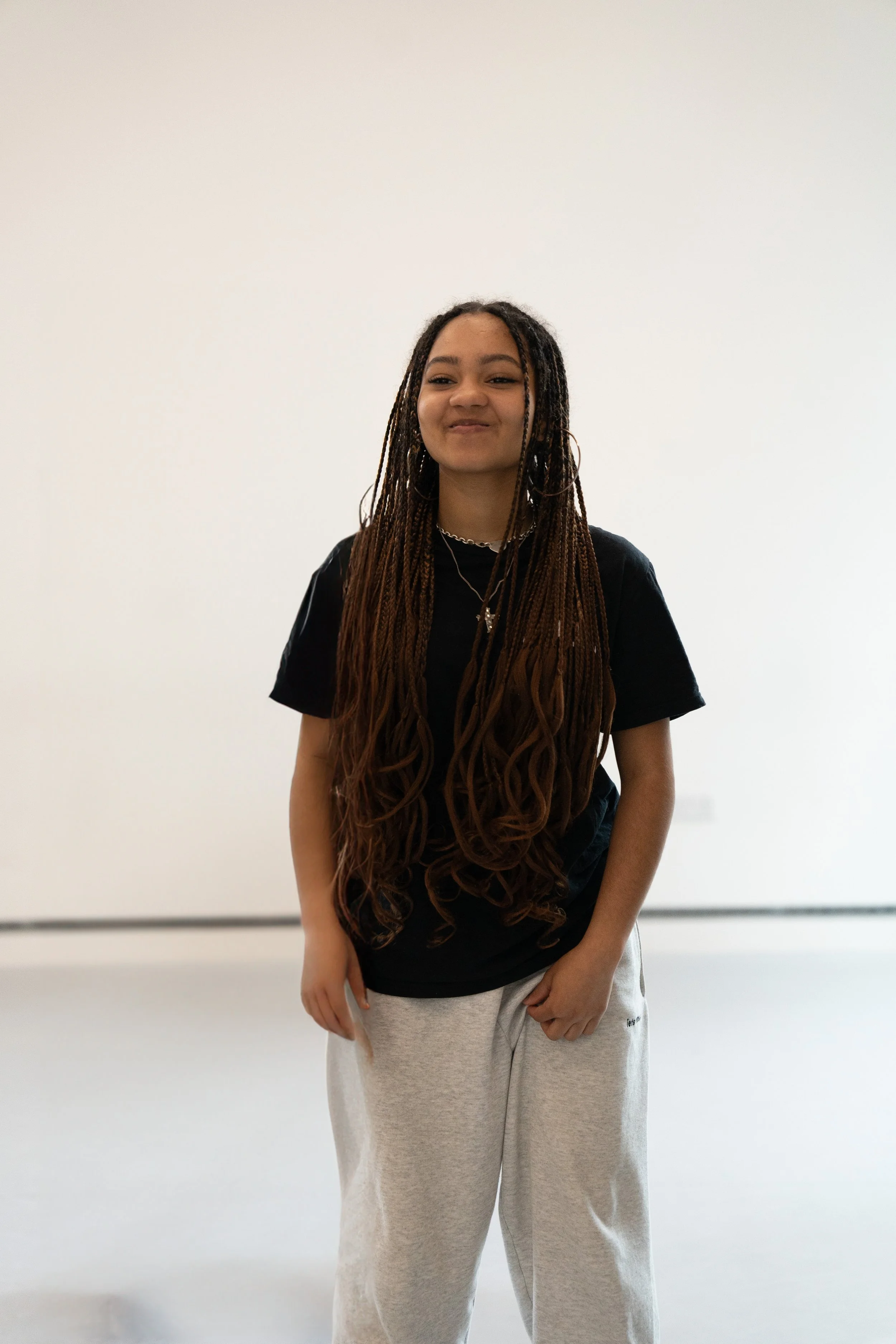
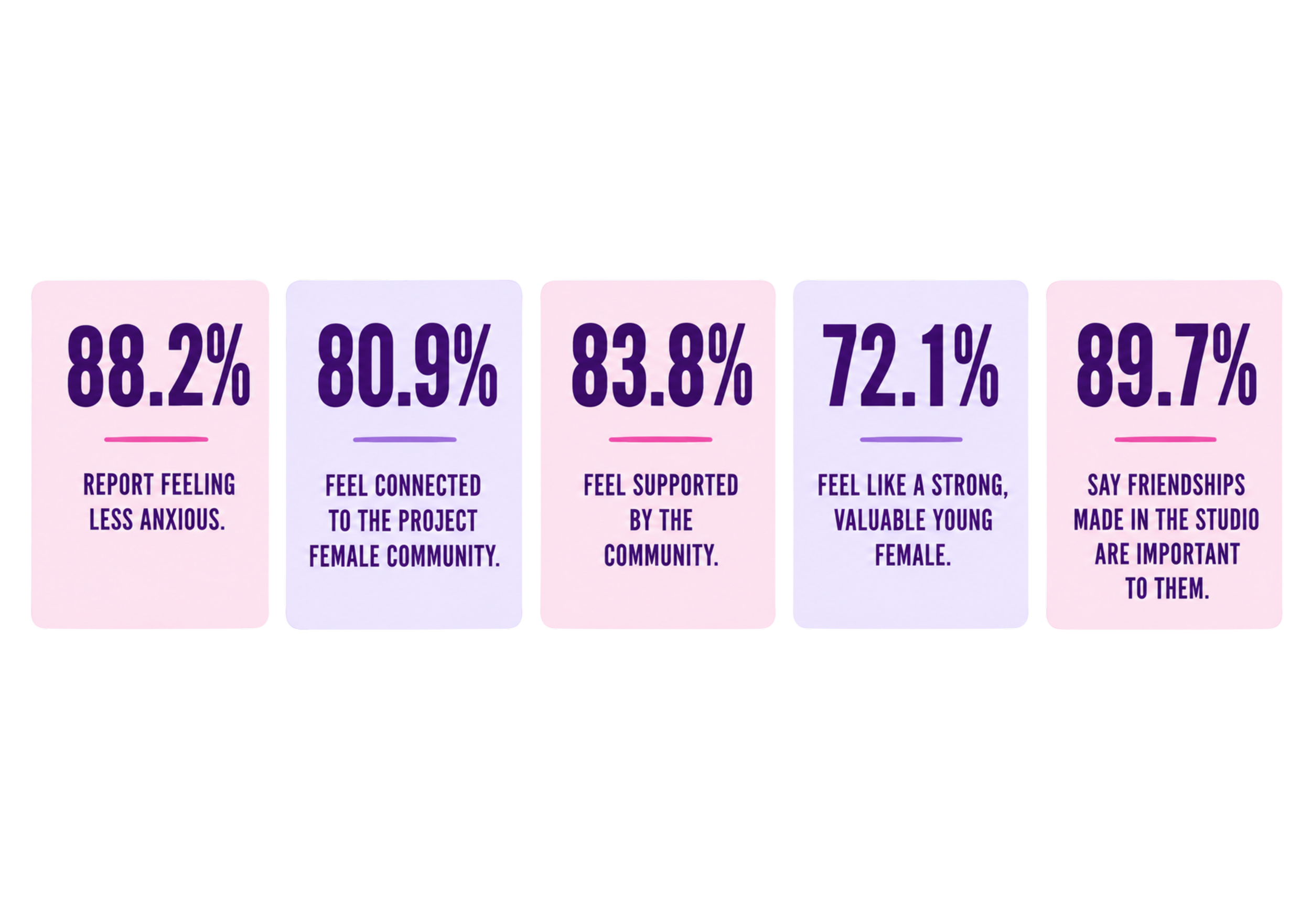
Our participant feedback highlights the importance of creating safe, supportive spaces where young people can build confidence, connection and emotional resilience.
These findings reflect the value of combining dance with trusted relationships and informal wellbeing support, helping young people feel accepted, develop positive connections and build confidence at their own pace.
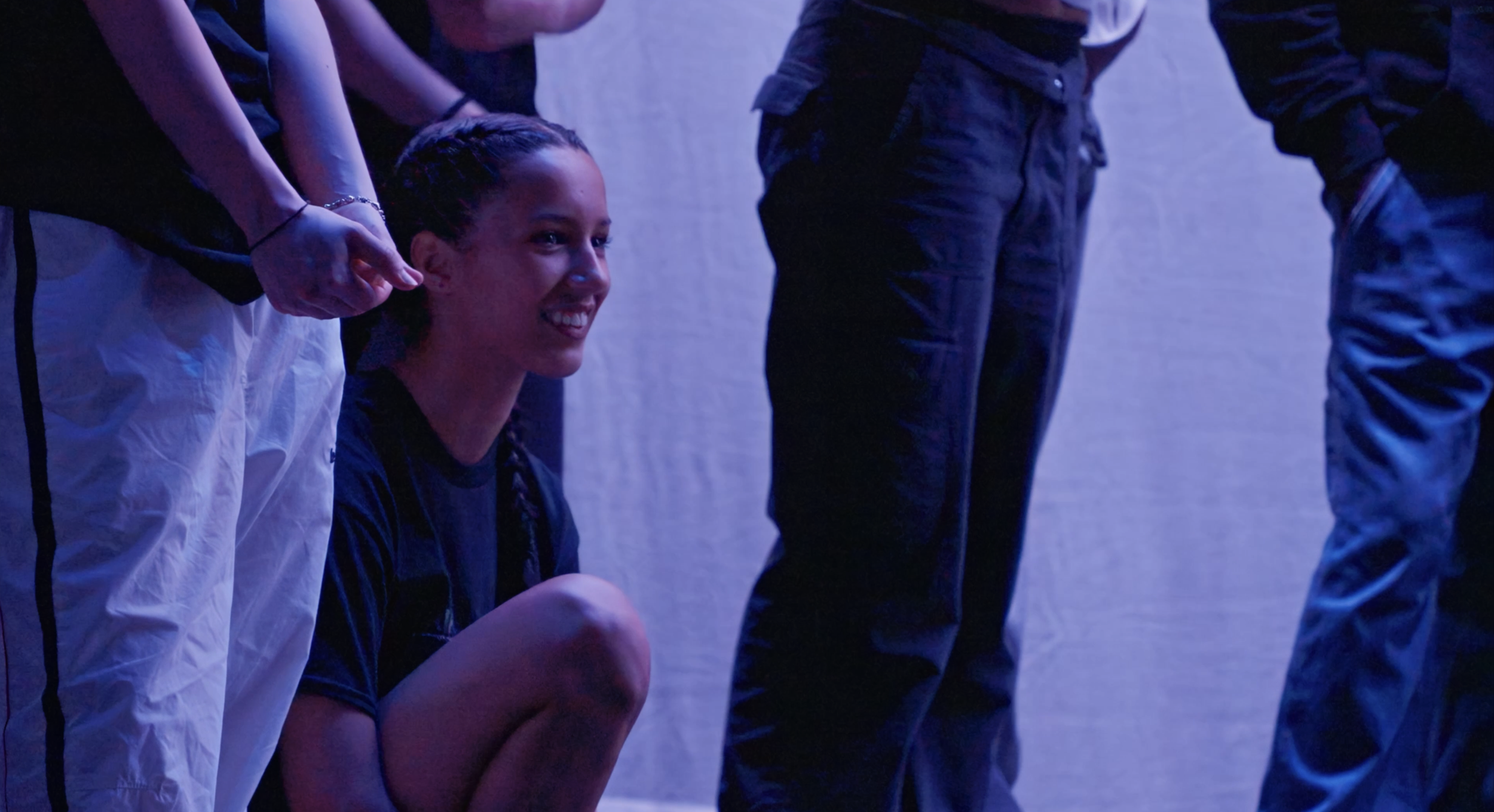
“Before joining, I was so anxious about how I looked and whether I was doing movement right.
Here, nobody is judging your body or your clothes. You just get to move and feel strong.”
- Project Female Dancer
WATCH HERE